

March 24, 2026
Wellness Tips
Listen to this article:
What is lipedema, and why do so many women go years without a diagnosis? This guide covers the causes, symptoms, types, stages, and management strategies for this chronic condition, along with why conventional weight loss often falls short and how to advocate for yourself.
- What lipedema is and why it's so often misunderstood
- The hormonal and genetic factors behind it
- Symptoms that go beyond appearance
- Types of lipedema
- Stages of lipedema
- How lipedema compares to lymphedema
- Why conventional weight loss doesn't work
- Tests and diagnosis
- Lipedema management strategies that can help
What Is Lipedema?
What is lipedema? It’s a question that millions of women have typed into search bars late at night, usually after years of frustration, failed diets, and doctors who didn’t have an answer. If you’ve been doing everything “right” and your legs still look and feel the same, you’re not imagining it. And you’re definitely not alone.
Lipedema is a chronic condition where fat tissue accumulates abnormally, mostly in the legs, thighs, hips, and buttocks. Sometimes it shows up in the arms too. What makes it different from typical weight gain is that this fat doesn’t respond to calorie restriction or intense exercise the way regular adipose tissue does. You can eat clean, work out five days a week, and watch the rest of your body change while your lower half stays the same. That disconnect is one of the most emotionally exhausting parts of living with this condition.
What Causes Lipedema?
Researchers believe lipedema is tied to hormonal shifts and genetic factors. It tends to show up during puberty, pregnancy, or perimenopause, which points to a strong hormonal connection. If your mother or grandmother carried weight in a similar pattern, there may be a hereditary link. The condition affects up to 11% of the adult female population, according to published clinical data (National Library of Medicine), though many experts suspect that number is higher because so many cases go unrecognized.
Signs and Symptoms Most People Miss
The symptoms go well beyond how your legs look. People with lipedema often describe a heaviness or aching in their lower body that doesn’t go away with rest. Easy bruising is common, even from light pressure. The skin may feel tender or painful to the touch. Some people notice a bumpy or nodular texture beneath the surface. Swelling tends to get worse with standing, walking, or heat. Fatigue is another symptom that rarely gets connected to lipedema but shows up consistently in people living with it.
Types of Lipedema
Not everyone with lipedema looks the same, and where it shows up on the body is part of how it gets classified. Some people carry it mostly around the hips and buttocks. Others see it extend down through the thighs to the knees, or all the way to the ankles. There are cases where the arms are involved too, and some people only notice it in the lower legs below the knee. Most fall somewhere in the first few categories, and the pattern can shift over time, particularly when hormones are in flux.
Related Read: Lipedema Natural Treatment
Stages of Lipedema
The way lipedema tissue changes over time is broken into stages, and each one looks and feels a little different. Early on, the skin might look completely normal on the surface. But if you press into the fat, you’ll feel small nodules, almost like tiny pebbles underneath. That’s considered the first stage. As it progresses, those nodules get bigger and more irregular. The skin starts to feel uneven and may show visible dimpling. In later stages, the tissue hardens. Large folds of skin and fat can form around the thighs and knees, and that’s the point where it starts to interfere with how you move. In some cases, lipedema and lymphedema show up together, which adds swelling from fluid buildup on top of everything else. Not everyone moves through every stage, and getting ahead of it early can make a real difference in slowing things down.
Lipedema vs. Lymphedema: Understanding the Difference
One of the biggest sources of confusion is the difference between lipedema and lymphedema. They sound similar and can even overlap, but they’re not the same condition. Lipedema involves abnormal fat deposits that are usually symmetrical on both sides of the body. Lymphedema is caused by damage or blockage in the lymphatic system and typically affects one limb more than the other. Lipedema doesn’t usually involve the feet or hands in its earlier stages, while lymphedema often does. The distinction matters because the management approach is different for each.
Why Diet and Exercise Don’t Work the Way You’d Expect
Here’s what most people with lipedema will tell you, and it usually comes with a lot of emotion behind it. They’ve spent years trying to lose weight. They’ve counted calories. They’ve done cardio until they couldn’t move. They’ve been told by well-meaning friends, trainers, and even doctors that they just need to try harder. The reality is that lipedema fat is physiologically resistant to conventional weight loss. That doesn’t mean movement and nutrition don’t matter. They absolutely do. But when the fat itself doesn’t respond to those efforts, it’s not a willpower problem. It’s a medical one. Recognizing that can be the most freeing part of finally getting a name for what you’ve been dealing with.
How Lipedema Is Diagnosed
Getting a diagnosis can take years. Studies suggest the average person with lipedema sees multiple providers before receiving an accurate assessment. It’s frequently confused with general obesity or lymphedema, which means many people go without proper guidance or validation for a long time. Most diagnoses happen through clinical evaluation, as there’s no single lab test or imaging study that confirms lipedema on its own. A knowledgeable provider will look at the pattern of fat distribution, the symmetry, the texture of the tissue, and the presence of pain or bruising.
There’s no single test that hands you a lipedema diagnosis. But your provider can order bloodwork and imaging to rule out other conditions or uncover related issues. That might mean an ultrasound, a DEXA scan to check bone density, an MRI, a CT scan, or occasionally nuclear medicine imaging. None of those will confirm lipedema by themselves, but together they help paint a clearer picture and cross other things off the list.
If something about your experience doesn’t match the explanations you’ve been given, it’s worth seeking a second opinion from someone familiar with this condition.
Related Read: Why Empower Wellness Spa Speaks to Los Angeles’ New Definition of Wellness
Lipedema Management: What Actually Helps
Compression, Lymphatic Drainage, and Lipedema Exercises
There is no cure for lipedema. That’s a hard sentence to read, but it’s an honest one. What you can do is build a management plan that actually fits your life. Compression garments, especially flat-knit styles made for lipedema, are usually one of the first tools people reach for. Some find relief through manual lymphatic drainage, which is a gentle hands-on technique focused on moving fluid through the lymphatic system. Others lean into low-impact movement like swimming, walking, or rebounding because it supports circulation without punishing already sensitive tissue. Paying attention to anti-inflammatory foods is another layer that a lot of people say makes a noticeable difference over time.
When Surgery Enters the Conversation
Liposuction designed to spare the lymphatic vessels is something that comes up when other approaches aren’t offering enough relief. It’s a personal decision, and one that should happen with a specialist who truly understands lipedema, not just general cosmetic surgery.
Final Thoughts
If you’ve spent years feeling like your body was working against you, hear this clearly: it wasn’t your fault. Lipedema is a real, recognized condition. There are people who get it. There are places that understand it. Knowing the name of what you’ve been carrying is the starting point. The rest comes one step at a time.
Empower Wellness Spa
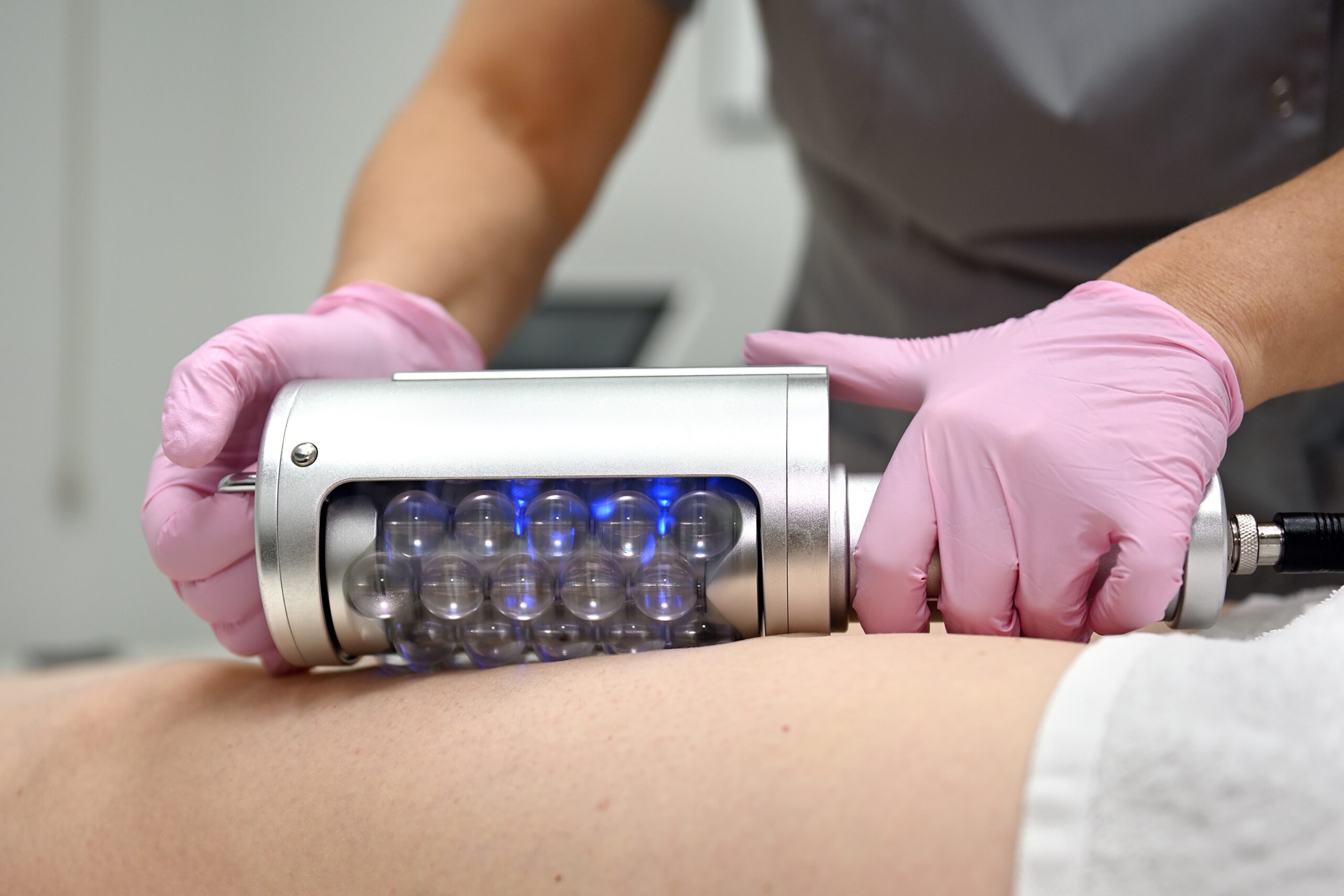
At Empower Wellness Spa in Encino, CA, we offer Endospheres Therapy, a non-invasive treatment that uses compressive microvibrations to support lymphatic drainage, ease discomfort, and promote circulation. If you’re exploring holistic options as part of your lipedema management plan, we’re here to help you take that next step.
Empower Wellness Spa does not diagnose or treat medical conditions. Our services are intended to complement, not replace, professional medical care. Please consult a qualified healthcare provider for diagnosis and clinical treatment of lipedema.
Lipedema is a chronic condition where fat tissue builds up abnormally, mostly in the legs, thighs, and buttocks. Unlike regular weight gain, this fat typically doesn't respond to diet or exercise. It's often accompanied by pain, tenderness, easy bruising, and swelling.
The exact cause isn't fully understood, but lipedema is closely tied to hormonal changes and genetics. It tends to develop or worsen during puberty, pregnancy, and perimenopause. If close female relatives have a similar pattern of fat distribution, the likelihood increases.
No. Lipedema fat is physiologically resistant to conventional weight-loss methods like calorie restriction and exercise. While a healthy lifestyle supports overall well-being, it typically won't reduce the abnormal fat deposits caused by lipedema. That's one of the most frustrating aspects of the condition.
Common signs include disproportionate fat in the legs and lower body, pain or tenderness in affected areas, easy bruising, heaviness, and swelling that gets worse with activity or heat. A knowledgeable healthcare provider can evaluate your symptoms and fat distribution patterns to help determine if lipedema may be a factor.
Lipedema involves symmetrical abnormal fat deposits, usually in both legs. Lymphedema results from lymphatic system damage and often affects one limb more than the other. Lipedema typically spares the feet and hands in early stages, while lymphedema frequently involves them. They can coexist, but they require different approaches to management.
lipedema, lipedema causes, lipedema exercises, lipedema management, lipedema symptoms, lipedema treatment, lymphatic health, lymphedema