
March 19, 2026
Wellness Tips
Listen to this article:
Foot zone therapy is a structured wellness practice that works the entire foot to support the body as a whole. This guide covers what it is, how it differs from reflexology, what to expect during a session, and why people are making it part of their wellness routines.
Foot zone therapy is often mistaken for a foot massage or confused with reflexology, but it follows a more structured, whole-body approach.
Based on the idea that the feet reflect the body as a whole, foot zone therapy works through the entire foot in a deliberate sequence rather than focusing on just a few isolated points. Many people seek it out for relaxation, nervous system support, and a greater sense of balance, especially during periods of stress, fatigue, or general overwhelm.
If you have been wondering what foot zone therapy is, how it works, or whether it is different from reflexology, here is what actually matters.
What Is Foot Zone Therapy?
Foot zone therapy is a wellness practice in which a trained practitioner works specific areas of the feet using a structured method designed to support the body as a whole.
Rather than addressing one isolated complaint, foot zone therapy follows a whole-foot approach. Each session typically moves across the tops, bottoms, sides, and toes in a consistent sequence, with the understanding that different areas of the feet correspond to different systems within the body.
That whole-body framework is one of the main reasons people are drawn to foot zone therapy. It does not require you to show up with a precise explanation for what feels off. Many people come in simply feeling stressed, depleted, tense, or out of sync and are looking for a wellness practice that feels calming, grounding, and restorative.
It is also worth clarifying what foot zone therapy is not. It is not a medical treatment, it is not intended to diagnose or cure illness, and it is not simply a relaxing foot rub. While most people do find it deeply calming, the method itself is more intentional and more systematic than a standard massage.
The Foundation of Modern Foot Zoning
Foot-based healing traditions have existed in many forms across cultures for centuries. The idea that the feet reflect the body and can be used to support overall well-being is not new.
The modern framework most commonly associated with foot zone therapy is often linked to Dr. Charles Ersdal, a Norwegian physician who developed a more defined map of how different regions of the feet correspond to different systems of the body. His work helped shape the structured method many foot zone therapists continue to use today.
That structure is important. It is part of what separates foot zone therapy from more general footwork practices. Instead of working only a few areas based on symptoms, foot zoning is typically approached as a full-system method, with each session moving through the entire foot in a consistent pattern.
Ancient Roots
Foot-based wellness practices have been documented across multiple traditions for generations, including Chinese, Egyptian, and Indigenous healing systems.
Dr. Charles Ersdal’s Framework
The modern foot zone system is widely associated with Dr. Ersdal’s mapping of the feet as a reflection of the body’s internal systems.
Whole-Foot Method
Foot zone therapy does not isolate one small area and stop there. It works across the full foot in a structured sequence.
System-Based Perspective
The left foot is generally understood to reflect the left side of the body, while the right foot reflects the right side, creating a broader whole-body map.
Foot Zone Therapy Benefits: Why People Seek It Out
People usually do not book foot zone therapy because they want a trend. They book it because they want to feel better in their body.
For some, that means carving out time to reset the nervous system. For others, it means finding a wellness practice that feels both calming and intentional. While each person’s experience is different, foot zone therapy is often sought out for the way it may support relaxation, stress recovery, and an overall sense of balance.
Some of the most commonly reported foot zone therapy benefits include:
Nervous System Support
Many people seek foot zone therapy when they feel stuck in a constant state of tension, overstimulation, or burnout. A session can feel like an opportunity to slow down, soften physical stress patterns, and shift into a more relaxed state.
Deep Relaxation
One of the biggest reasons people return to foot zone therapy is simple: they like how they feel afterward. Clients often describe feeling calmer, lighter, clearer, or more grounded after a session.
Better Sleep
People dealing with restless sleep, difficulty winding down, or nights that never feel fully restorative are often drawn to wellness practices that help the body settle. Many clients report sleeping especially well after foot zoning.
Stress Recovery
High-achieving schedules, emotional stress, travel, parenting, caregiving, and modern life in general can leave the body feeling wired and depleted at the same time. Foot zone therapy appeals to people who want a non-invasive way to support recovery.
Whole-Body Wellness
Some people are not trying to solve one specific issue. They simply want to feel more balanced, more present, and more supported in their overall wellness routine. Foot zone therapy fits well into that kind of approach.
Because this is a wellness service, not a medical treatment, it is best to describe these as commonly reported experiences rather than guaranteed outcomes. The value for many clients is less about one dramatic result and more about how consistently supportive the sessions feel over time.
What’s the Difference Between Foot Zone Therapy and Reflexology?
This is one of the most common questions people ask, and the distinction matters.
Foot zone therapy and reflexology are similar in that both involve working points on the feet as part of a broader wellness philosophy. But they are not the same practice.
Reflexology is generally more point-specific. It often focuses on targeted pressure points believed to correspond with particular organs, glands, or body areas.
Foot zone therapy takes a broader and more structured approach. Rather than working only a few points based on symptoms, a foot zone session usually covers the entire foot in a consistent sequence. The emphasis is on supporting the body as a whole rather than zooming in on one isolated complaint. According to the National Center for Complementary and Integrative Health, part of the National Institutes of Health, reflexology-based practices are among the most commonly used complementary health approaches in the United States.
Foot Zone Therapy vs. Reflexology: Key Differences
- Reflexology: Typically focuses on individual pressure points that correspond to specific organs or body regions
- Foot zone therapy: Generally works the entire foot every session using a structured, full-system approach
- Treatment perspective: Reflexology is often more symptom-focused, while foot zone therapy is usually approached as a whole-body wellness practice
- Framework: Modern foot zoning is commonly associated with Dr. Ersdal’s mapping system, while reflexology draws from a broader mix of traditions and techniques
A simple way to think about it is this: reflexology often focuses on a few targeted points, while foot zone therapy tends to move through the whole map.
What to Expect During a Foot Zone Therapy Session
A foot zone therapy session is usually much more straightforward than people expect.
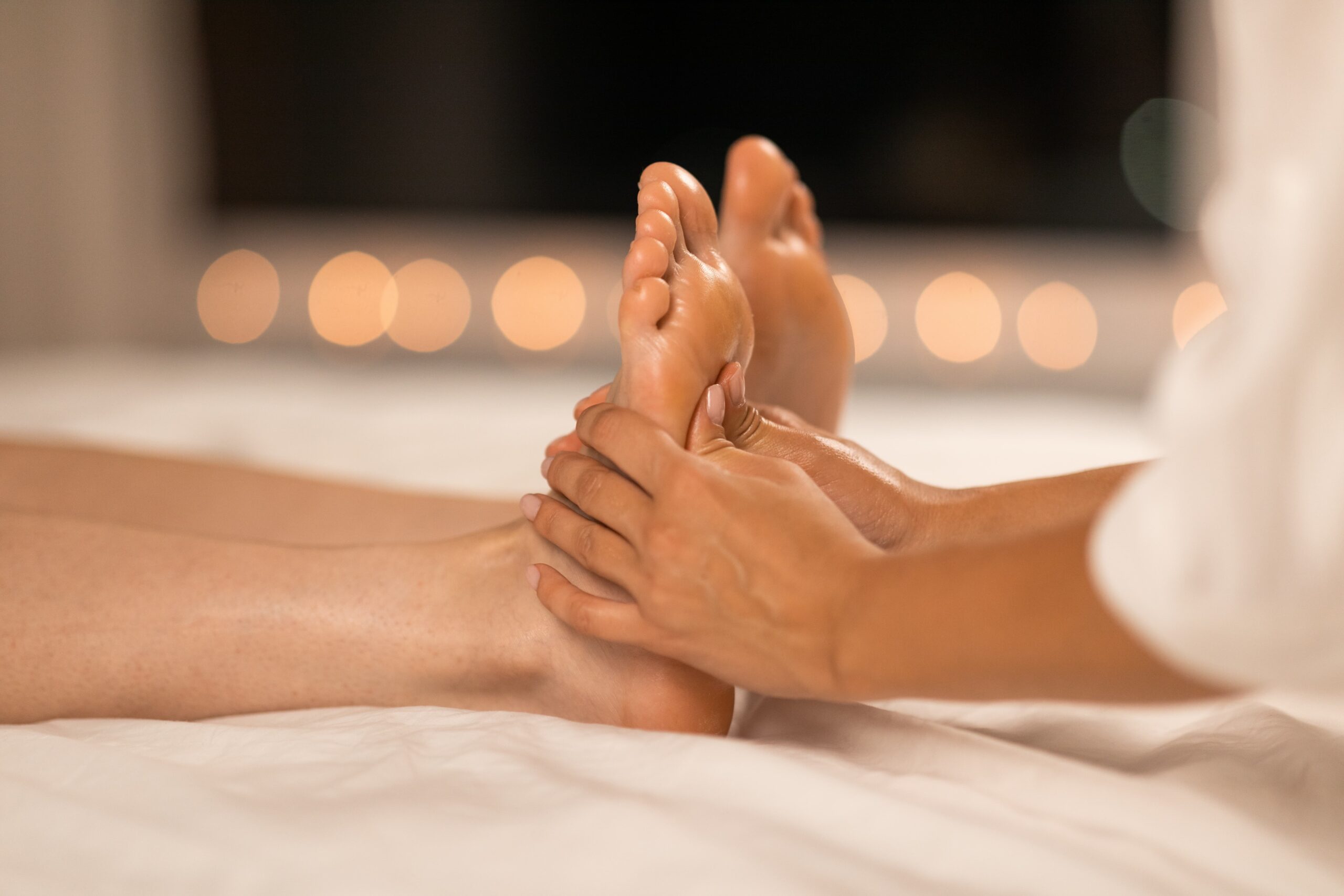
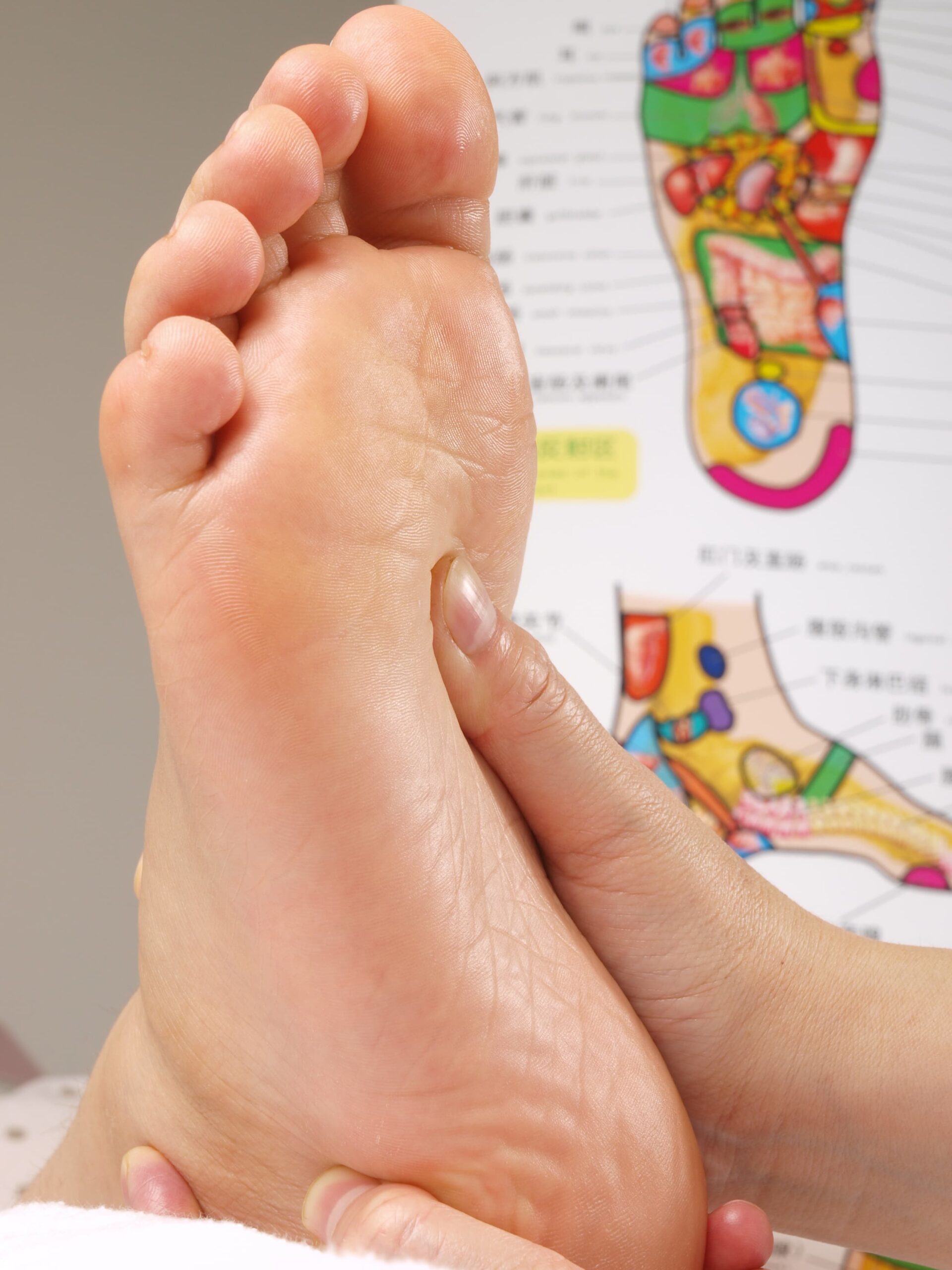
You will typically sit back or lie down comfortably while the practitioner works through the feet using their hands and, in some cases, small tools. The session follows a sequence rather than a random pattern, moving through different zones with varying levels of pressure and technique.
Some areas may feel neutral. Others may feel tender, textured, or surprisingly sensitive. That does not mean anything is wrong, but practitioners may interpret those responses as signs that a particular area could use more attention within the overall sequence.
What most people notice is not intensity, but contrast. The body often begins the session holding more tension than the person realized. By the end, many clients feel noticeably calmer, quieter, and more settled.
Sessions at Empower Wellness Spa are offered as a 30-minute foot zoning service, making them easy to book as a standalone treatment or pair with another wellness service.
Foot Zone Therapy Results Timeline
- During the session: Most people find the experience calming, with occasional moments of tenderness in certain zones
- Right after: Clients often describe feeling lighter, clearer, and more grounded
- Later that day: Many people notice that the sense of calm lingers beyond the appointment itself
- With consistency: Some clients choose to make foot zone therapy part of their ongoing wellness routine because they feel more balanced when it is part of their rhythm
Who Foot Zone Therapy Is For
Foot zone therapy tends to appeal to people who are looking for support, not force.
It is often a fit for those who feel run down, overstimulated, or generally off and want a wellness practice that feels calming, hands-on, and restorative. Some clients come in during stressful seasons of life. Others are already deeply invested in wellness and want to add another modality that supports recovery and regulation.
People commonly gravitate toward foot zone therapy when they are looking for support with:
Why People Seek Foot Zone Therapy
- Stress and burnout: For people who feel like their body has been carrying too much for too long
- Sleep support: For those who want help winding down and settling into deeper rest
- Nervous system regulation: For anyone who feels wired, overstimulated, or stuck in go-mode
- Digestive or tension-related discomfort: For people who notice stress showing up physically in the body
- Hormonal transitions: For women moving through perimenopause, cycle-related shifts, or other phases where gentle support feels especially welcome
- General wellness maintenance: For people who feel best when they are proactive about recovery, balance, and self-care
Foot zone therapy can be especially appealing because it does not require a highly medicalized mindset. You do not need to show up with a formal diagnosis or a long explanation. You simply come in as you are and receive the session.
What People Often Notice After Foot Zone Therapy
No two people experience a session in exactly the same way, but certain themes come up often.
Many clients report a deep sense of relaxation, sometimes during the session and sometimes afterward once they realize how much tension has dropped. Others notice better sleep that night, a quieter mind, or a sense of physical ease they were not expecting from foot-focused work.
Some describe the feeling as being more grounded. Others simply say they feel better, calmer, clearer, less tightly wound.
That said, foot zone therapy should be understood as a wellness practice, not a medical intervention. Its role is to support overall well-being, not to replace medical care.
Disclaimer: Foot zone therapy is a wellness service, not a medical treatment. Empower Wellness Spa does not diagnose, treat, or claim to manage any medical condition through foot zoning. If you have specific health concerns, please consult your healthcare provider.
Where Foot Zoning Fits in a Wellness Routine
One of the reasons foot zone therapy fits so naturally into a modern wellness routine is that it complements other wellness services without competing with them.
If you already incorporate treatments aimed at circulation, recovery, nervous system support, or stress relief, foot zone therapy offers a different access point. It is quiet, non-invasive, and easy to layer into a broader ritual of caring for your body.
Foot zoning pairs especially well with services like Endospheres therapy, Empower facials, and other recovery-focused treatments designed to help you feel more balanced and restored. For those who use ozone sauna therapy for nervous system support or red light therapy with rebounder for lymphatic flow, foot zoning brings in a completely different kind of support.
If you are building a more intentional recovery routine, our article on the biohacker’s recovery protocol for high-stress lifestyles covers how stacking different modalities creates a more effective approach to stress management and whole-body balance.
Rather than doing the same thing as your other wellness practices, foot zone therapy creates space for stillness, resets your pace, and gives the body a dedicated moment to downshift.
Where to Try Foot Zone Therapy in California
At Empower Wellness Spa in Encino, CA, foot zone therapy is offered as a focused, calming service designed to help you feel more grounded, supported, and at ease in your body.
You can book it as a standalone 30-minute foot zoning session or add it to select services, including Endospheres and the Empower Facial. Whether you are looking for a moment to reset, a new way to support your nervous system, or a wellness ritual you will actually want to come back to, foot zoning offers a simple and restorative place to start.
Frequently Asked Questions
Reflexology targets specific pressure points on the feet that correspond to individual organs or body parts. Foot zone therapy takes a broader approach, covering the entire foot in a structured sequence every session. Rather than focusing on isolated points, foot zoning works through the whole system to support overall body balance. The modern foot zoning framework follows the mapping developed by Dr. Charles Ersdal of Norway.
Foot zone therapy is a wellness practice, not a medical treatment, so results vary from person to person. Many clients report deep relaxation, improved sleep quality, reduced stress, and a general sense of balance after sessions. According to the National Center for Complementary and Integrative Health, reflexology-based practices are among the most commonly used complementary health approaches in the U.S. Consistent sessions tend to produce more noticeable cumulative benefits.
Foot zone therapy is non-invasive and generally well-tolerated. Some people experience mild tenderness in certain zones during the session, which is considered normal. Occasionally, clients may feel temporarily tired or emotionally sensitive afterward as the body processes the session. These responses are typically mild and resolve within a day. If you have specific health concerns, consult your healthcare provider before starting.
Many practitioners recommend starting with weekly sessions for the first three to four weeks to establish a baseline, then adjusting to biweekly or monthly based on how your body responds. Some clients prefer ongoing weekly sessions as part of their regular wellness routine. The right frequency depends on your individual goals and how your body responds to the practice.
Yes. Pediatric foot zoning is available for children ages 5 and up. Sessions are delivered with lighter pressure, shorter duration, and age-appropriate care. At Empower Wellness Spa in Encino, CA, pediatric foot zoning is designed for young, developing nervous systems and requires parental consent. It is not a medical treatment and does not replace pediatric care.
Encino CA, foot zone therapy, foot zoning, holistic health, nervous system support, reflexology, wellness