
July 23, 2024
Wellness Tips
Listen to THIS ARTICLE:
If you live with arthritis, finding exercise that feels good instead of making things worse can be a challenge. This article explores how rebounder therapy may support joint comfort, mobility, and overall well-being as part of a holistic wellness approach.
Living with arthritis can make movement feel like a double-edged sword. You know your body needs it, but every step, every stretch, every time you get up from a chair reminds you that your joints are not cooperating the way they used to. The joy of movement, once taken for granted, starts to feel like something you have to negotiate with your body for. So when people hear about rebounder therapy for arthritis, the question is fair. Can something as simple as bouncing on a mini trampoline actually make a difference?
The short answer is that it depends on your situation. But for a lot of people dealing with joint stiffness, limited range of motion, and the kind of discomfort that makes traditional exercise unappealing, rebounding offers something different. It is low-impact, it is gentle, and it works with your body instead of against it.
Why Movement Matters When You Have Arthritis
One of the most counterintuitive things about arthritis is that staying still often makes it worse. When joints are not moved regularly, the muscles around them weaken, the connective tissue gets stiffer, and the range of motion you still have starts to shrink. Movement, even gentle movement, is one of the most consistently recommended approaches for supporting joint health.
The problem is that many forms of exercise put stress on the very joints that are already struggling. Running, jumping on hard surfaces, heavy lifting. These can be uncomfortable or even off-limits depending on the type and severity of arthritis you are dealing with. That is where the appeal of rebounding comes in.
What Makes Rebounding Different from Other Exercise
- The trampoline surface absorbs a significant amount of impact, reducing stress on ankles, knees, and hips
- The gentle bouncing motion encourages movement through the full range of motion without forcing it
- It activates the muscles that support your joints without the jarring force of hard-surface exercise
- Many people find it more enjoyable than walking or stationary cycling, which helps with consistency
How Rebounding Supports Joint Comfort and Mobility
When you bounce on a rebounder, the motion is fluid and cyclical. Your body rises, briefly experiences a moment of reduced gravitational force, then gently returns to the surface. That rhythm creates a pumping effect on the fluid around your joints. Synovial fluid, the natural lubricant your joints produce, gets distributed more evenly when you move. And the more evenly it spreads, the smoother your joints tend to feel during and after movement.
How the Bouncing Motion Supports Your Body
The gentle up-and-down movement also engages the muscles surrounding your joints. Stronger supporting muscles mean less strain on the joint itself. Over time, this can contribute to better stability and more confidence in how your body moves. It is not a cure. It is a way of giving your joints the movement they need in a format your body can tolerate.
- Gentle bouncing promotes the distribution of synovial fluid around the joints
- The rhythmic motion supports lymphatic drainage, which may help with swelling and puffiness around joints
- Muscles around the knees, hips, and ankles get activated without heavy loading
- Balance and coordination improve with regular practice, which is important for fall prevention
What the Research Suggests About Rebounding and Arthritis
Research specifically on rebounding for arthritis is limited, but the broader body of evidence on low-impact exercise and joint health is strong. The Centers for Disease Control and Prevention recommends regular physical activity for people with arthritis, emphasizing low-impact options that protect joints while keeping the body active.
What We Know So Far
- Low-impact exercise is consistently associated with reduced stiffness and improved mobility in people with arthritis
- Activities that strengthen muscles around affected joints are considered protective
- Balance training, which rebounding naturally incorporates, helps reduce fall risk in older adults with joint conditions
- Whole-body vibration and bouncing-based exercises have shown promise in preliminary studies for supporting joint function
- Most experts agree that the best exercise for arthritis is one you will actually do consistently
The evidence does not say rebounding is a treatment for arthritis. What it does suggest is that the type of movement rebounding provides aligns well with what is known to support joint comfort and overall function in people living with the condition.
Getting Started Safely with Rebounder Therapy
If you are considering rebounder therapy for arthritis, the most important first step is talking with your doctor or healthcare provider. They can help you understand whether rebounding is appropriate for your specific type of arthritis and your current level of joint involvement. What works well for someone with mild osteoarthritis in the knees may not be the right fit for someone with rheumatoid arthritis in multiple joints.
Practical Tips for Starting Out
- Get clearance from your healthcare provider before starting, especially if you have moderate to severe arthritis
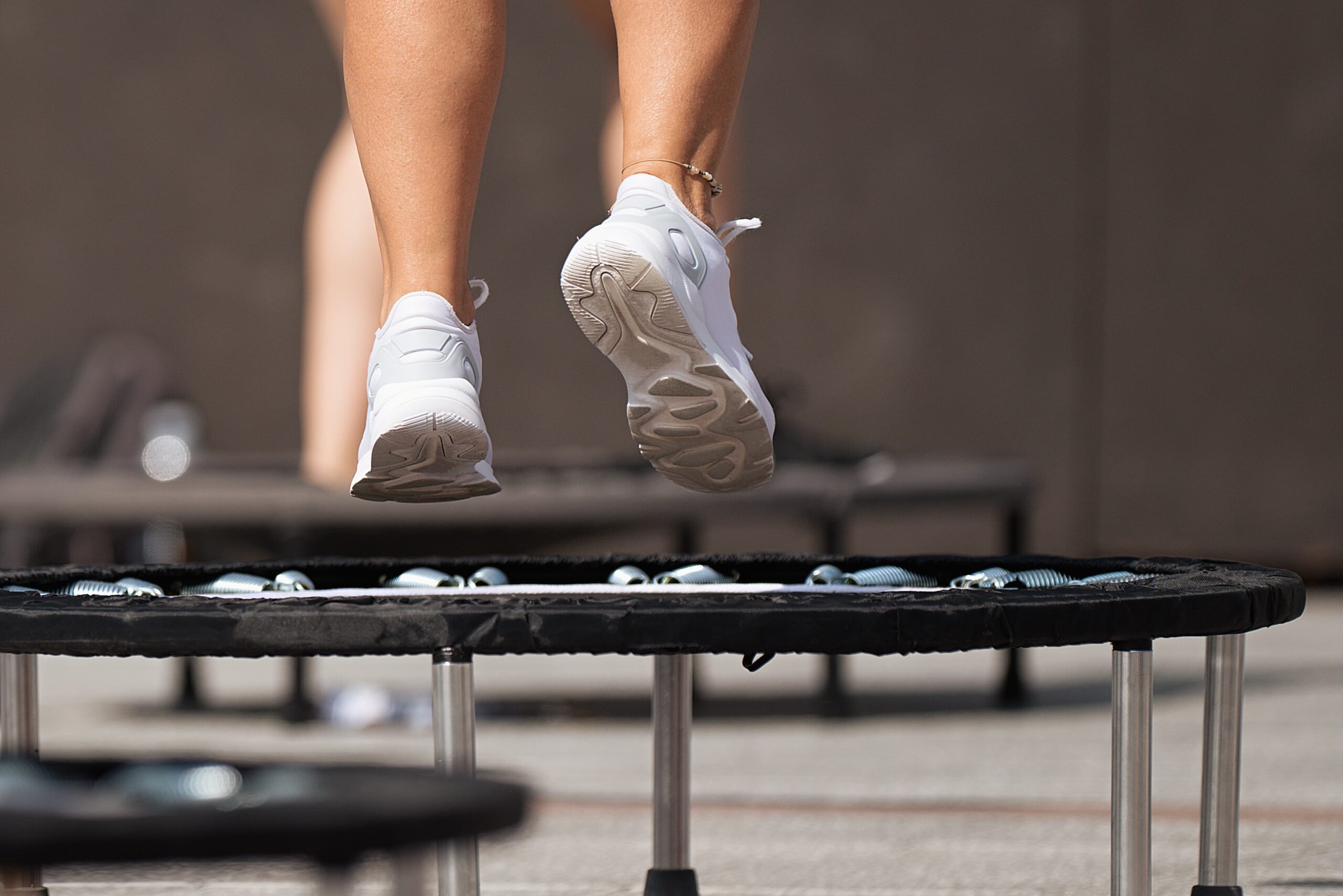
- Start with gentle health bouncing, where your feet stay in contact with the surface the entire time
- Begin with five-minute sessions and gradually build up as your body adjusts
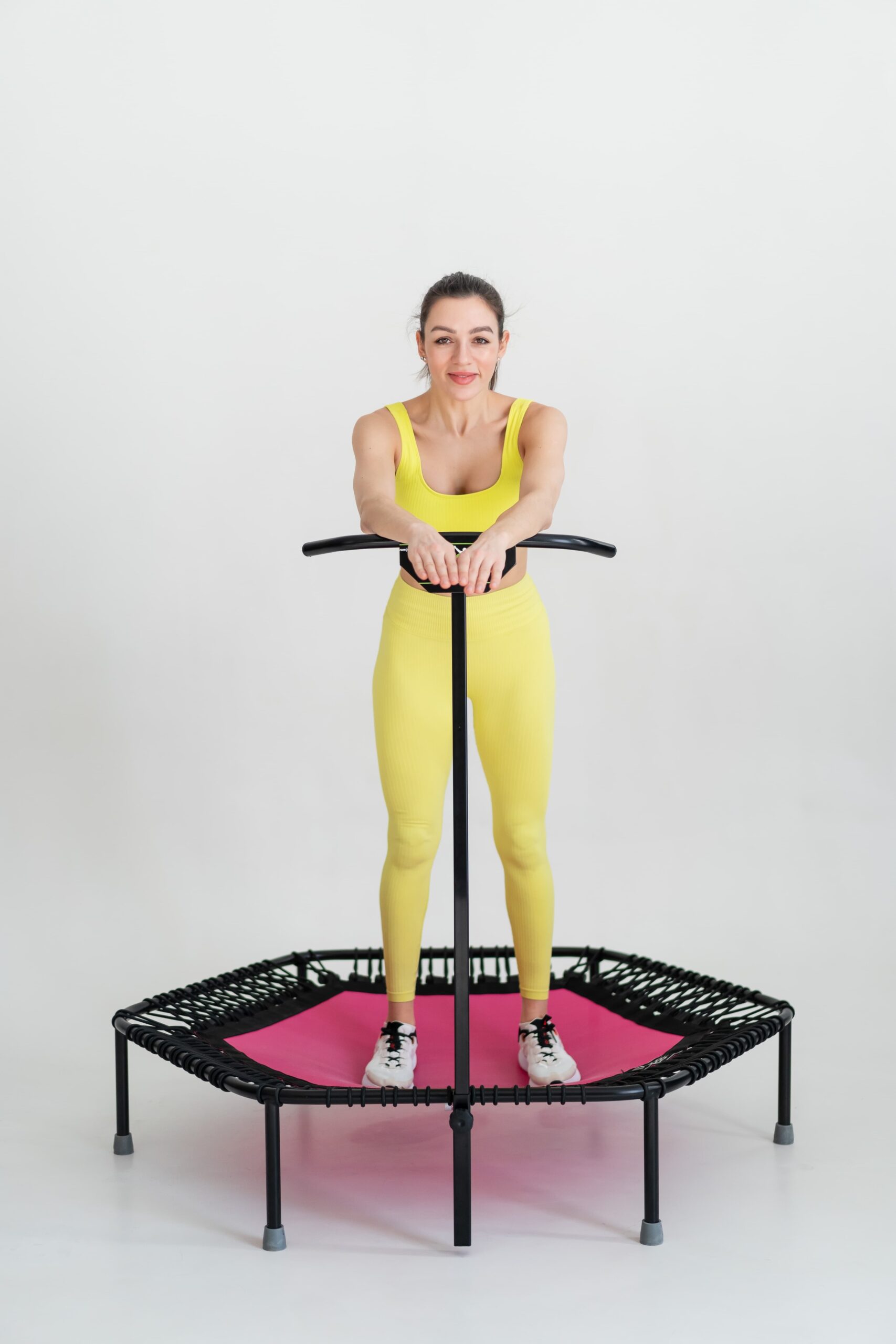
- Use a rebounder with a stability bar for added balance support
- Pay attention to how your joints feel during and after each session, and adjust accordingly
- Avoid bouncing on days when your joints feel particularly inflamed or tender
It is important to listen to your body. Rebounder therapy should feel manageable and even pleasant. If you experience increased discomfort or swelling after a session, scale back the intensity or duration and check in with your provider. The goal is to support your joints, not to push through pain.
Building a Holistic Approach to Joint Wellness
Rebounder therapy for arthritis works best when it is part of a bigger picture. No single exercise or practice is going to solve everything. But when you combine regular low-impact movement with other habits that support your body, the overall effect on how your joints feel and function can be meaningful.
What a Well-Rounded Joint Wellness Routine Might Include
- Consistent low-impact movement like rebounding, walking, swimming, or cycling
- Gentle stretching or yoga to maintain flexibility and range of motion
- Strength training to build the muscles that support and protect your joints
- Nutrition that supports your body, including foods rich in omega-3s and anti-inflammatory properties
- Stress management and adequate rest, both of which affect how your body handles inflammation
- Recovery-focused wellness practices that help your body feel supported between active days
The people who get the most out of rebounding tend to be the ones who approach it as one piece of a larger commitment to feeling better and moving better. It is not about perfection. It is about showing up regularly with a form of movement that respects where your body is right now.
Disclaimer: This article is for educational and informational purposes only. Empower Wellness Spa does not diagnose, treat, or claim to manage arthritis or any medical condition. If you have been diagnosed with arthritis or have concerns about joint health, please consult your healthcare provider before starting any new exercise or wellness routine.
Experience Rebounder Therapy at Empower Wellness Spa
At Empower Wellness Spa, our Red Light Therapy with Rebounder sessions offer a gentle, low-impact way to get your body moving while supporting recovery and whole-body vitality. Whether you are looking for joint-friendly movement or a new addition to your wellness routine, every session is designed with your comfort in mind.
Frequently Asked Questions
Rebounding is a low-impact form of exercise that many people with arthritis find more comfortable than high-impact alternatives. The trampoline surface absorbs much of the shock that would otherwise travel through your joints. While rebounding is not a treatment for arthritis, the type of gentle, consistent movement it provides aligns with what experts recommend for supporting joint mobility and comfort. Always consult your healthcare provider before starting.
The best exercise for arthritis is one you can do consistently without increasing joint discomfort. Popular low-impact options include walking, swimming, cycling, yoga, and rebounding. Each offers different benefits. Rebounding is unique in that it provides gentle mechanical loading and supports lymphatic drainage while absorbing impact through the trampoline surface. A combination of movement types tends to produce the best results over time.
Start with five-minute sessions and gradually increase as your body adjusts. Many people work up to 10 to 20 minutes per session over several weeks. The key is starting gently and paying attention to how your joints feel during and after each session. If you experience increased discomfort, scale back and consult your healthcare provider. Consistency matters more than session length.
When done gently and within your comfort level, rebounding is generally well-tolerated. However, bouncing too aggressively or during a flare-up could increase discomfort. That is why starting with gentle health bouncing, using a stability bar, and avoiding sessions on days when your joints feel particularly inflamed is important. If you notice increased swelling or pain after rebounding, stop and talk with your doctor.
Many people report that gentle rebounding helps their joints feel less stiff, particularly when done regularly. The bouncing motion promotes the distribution of synovial fluid, which is the natural lubricant your joints produce. When this fluid is spread more evenly through movement, joints often feel smoother and more comfortable. Regular low-impact movement is one of the most commonly recommended approaches for managing joint stiffness.
arthritis, joint health, joint mobility, joint stiffness, low-impact exercise, rebounder therapy, rebounding, wellness